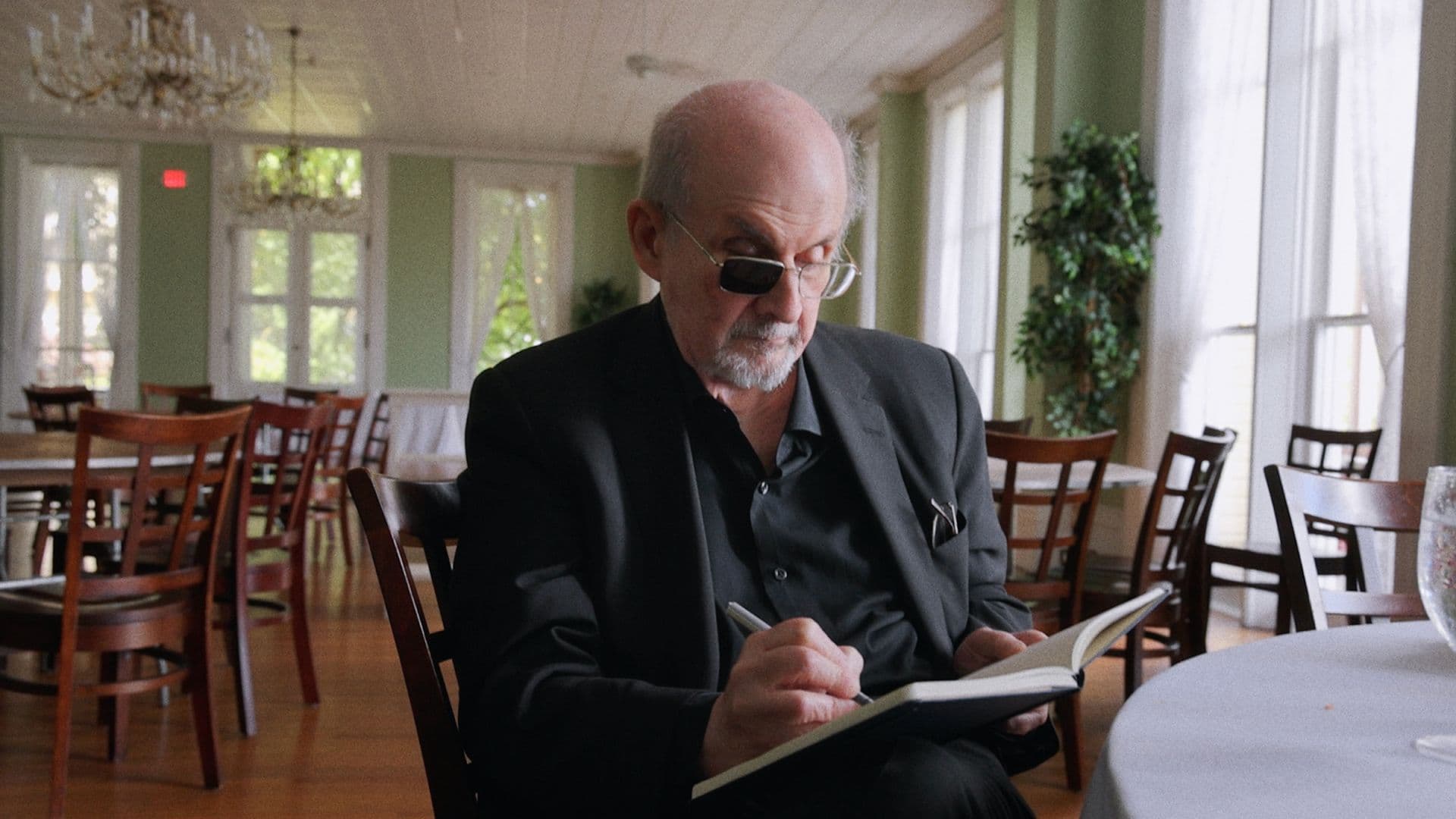
Knife: The Attempted Murder of Salman Rushdie

FILM DETAILS
Documentary
Alex Gibney
USA, 2026, 107mins
Official Selection: Sundance
Official Selection: CPH:DOX
SESSION DETAILS
Thur July 9th, Luna Leederville
6.00pm
Sun July 19th, Luna Leederville
1.00pm
"Gibney’s film is a vibrant testament to the intellectual life of its subject" - The Hollywood Reporter
"Don’t look away from this staggeringly intimate doc" - Indiewire
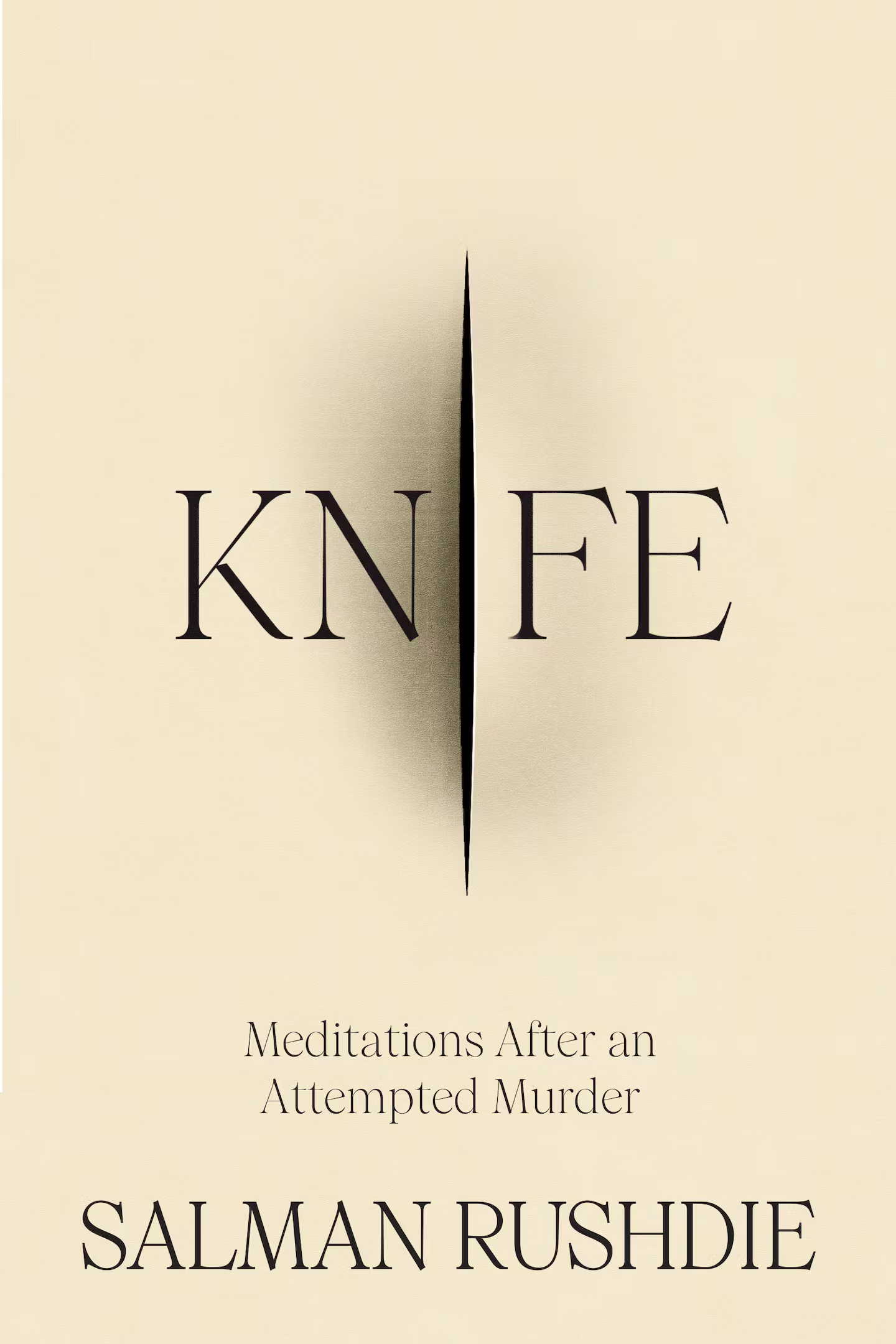
More than 30 years after Iran issued a fatwa, a religious decree calling for author Salman Rushdie’s death over The Satanic Verses, Rushdie traveled to Chautauqua to speak about the United States as a sanctuary for exiled writers and artists. The event marked the 20th anniversary of a writer-refuge program — a setting meant to celebrate safety and creative freedom. It was there, in an unrelated incident, that a young man rushed the stage, intent on killing him with a knife. Using excerpts from Rushdie’s works, including his powerful memoir Knife: Meditations After an Attempted Murder, Alex Gibney’s documentary is both a striking testament to freedom of expression and a defiant response to the attempt on Rushdie’s life.
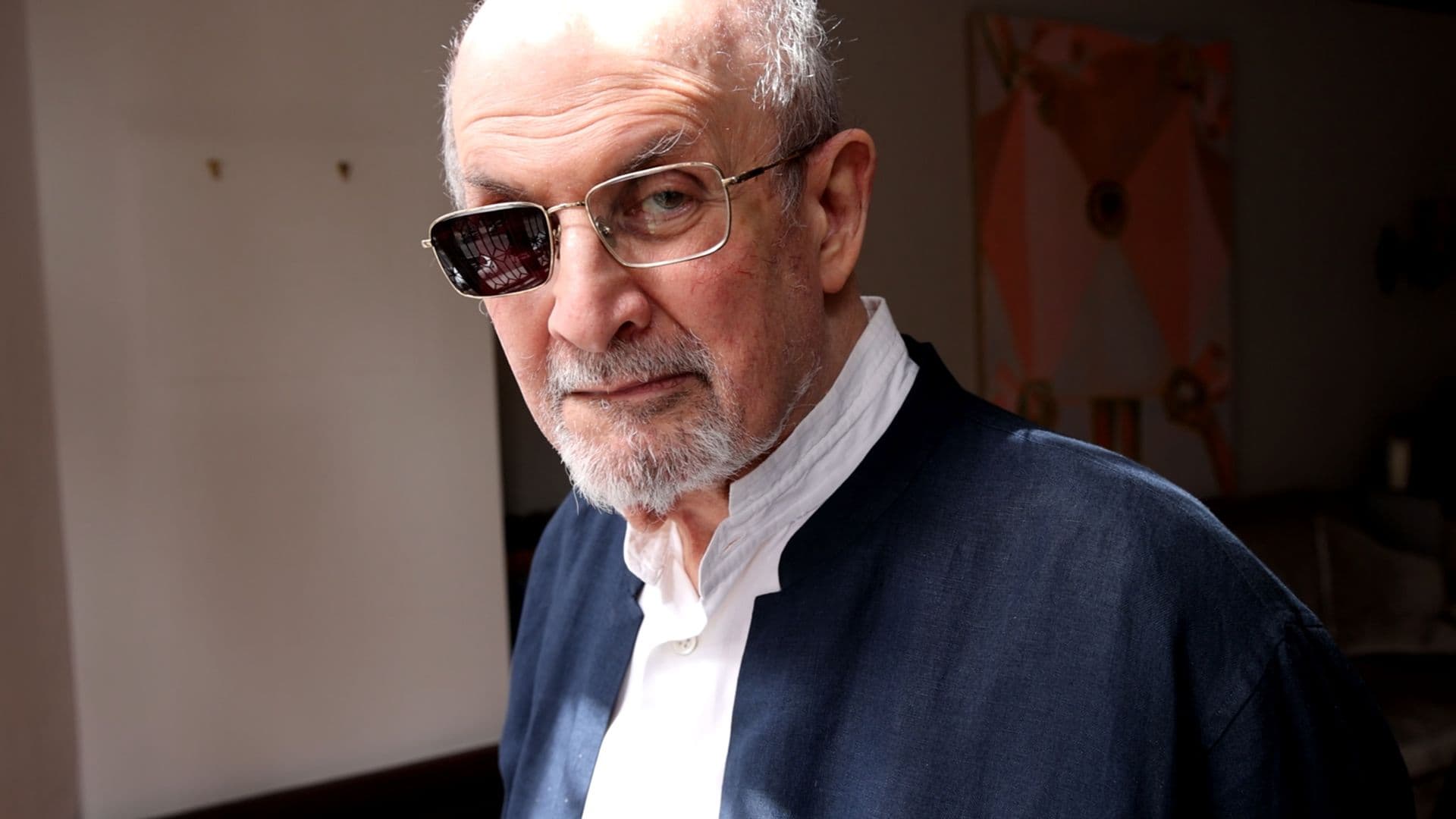
The film incorporates never-before-seen footage shot by Rushdie’s wife, Rachel Eliza Griffiths, in the days and weeks following the attack. This material offers a graphic, unflinching, and deeply intimate account of what happened. It also traces Rushdie’s physical and spiritual recovery, including the challenges he continues to face, from losing an eye to the reduced use of one hand.
Knife blends reportage with fictionalized dialogues to explore the mindset of the attacker, probing the “why” behind the violence. At its core, the film is a portrait of resilience — of Rushdie’s own extraordinary strength and the love that carried him through — and a call to action against censorship and hatred. It argues that art itself can be a form of resistance.
In Knife: The Attempted Murder of Salman Rushdie, Gibney, working with longtime collaborators Andy Grieve (editor) and Will Bates (composer), crafts a poetic dreamscape that reflects how Rushdie views his writing as his own “knife,” a tool to fight back, reclaim his story, and respond to violence with imagination and art.